Borescopes and Videoscopes for Engine and Component Inspection
A borescope lets a technician look inside an engine, a gearbox or a body cavity through an opening that is already there. On a petrol engine that is usually the spark plug hole; on a diesel it is the injector or glow plug bore. The engine stays assembled, the vehicle stays on its wheels, and the person doing the work sees the actual surface instead of inferring it from a symptom.
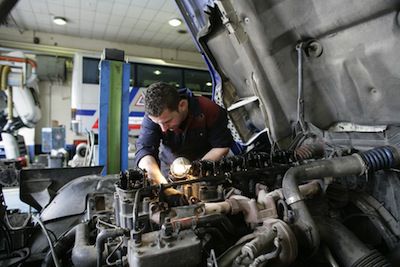
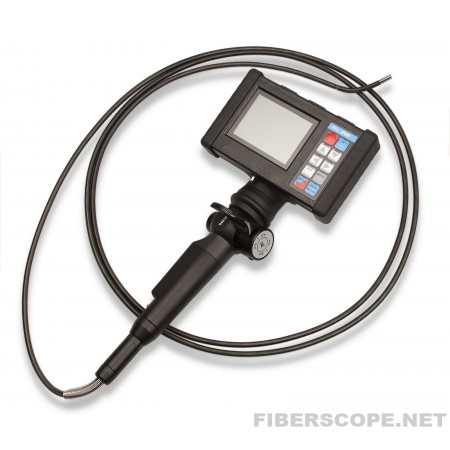
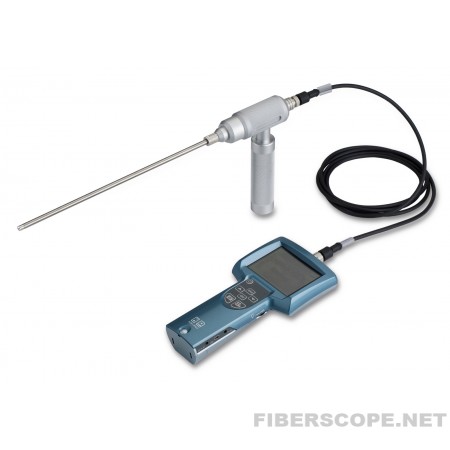
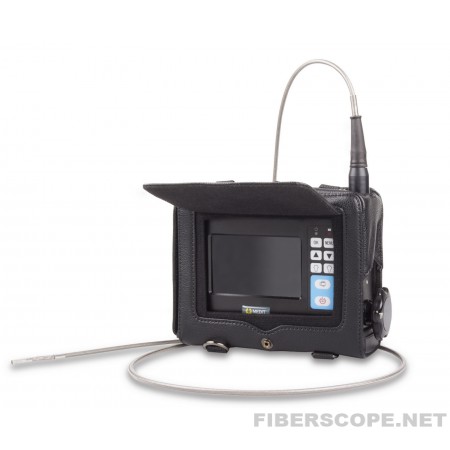
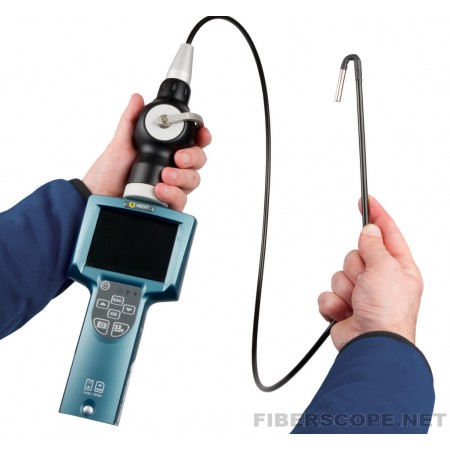
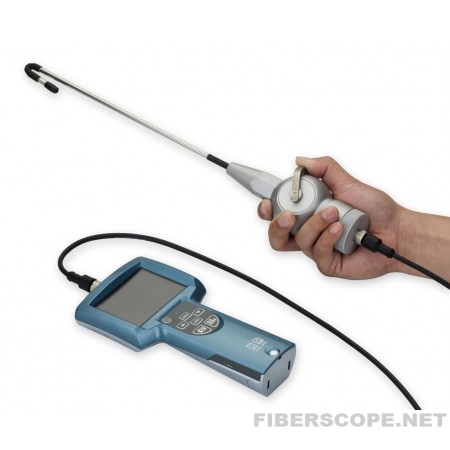
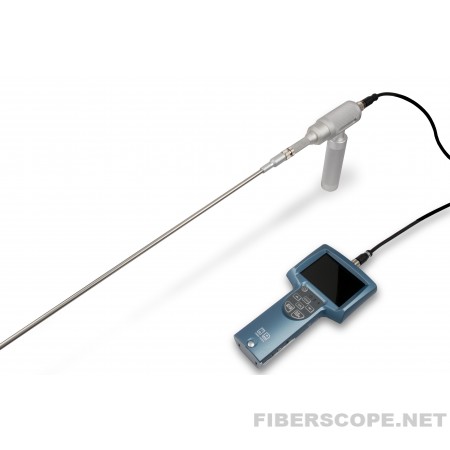
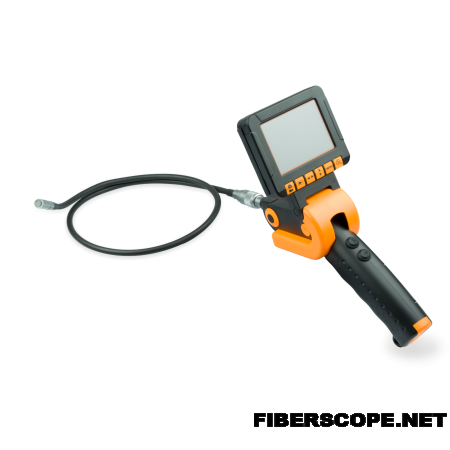
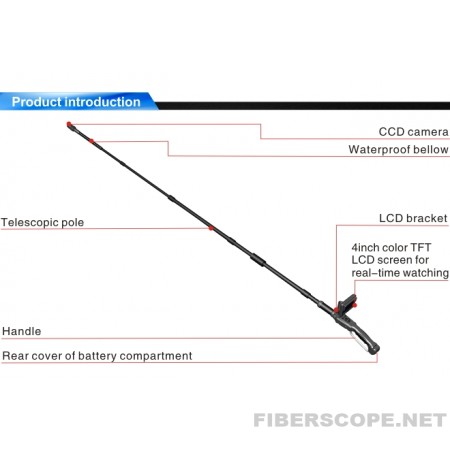
We supply the borescopes and videoscopes used for this work, both rigid and flexible. Our sales staff know the products and know how they are used, so the advice we give is well informed. We can help you choose an instrument that fits the access opening you actually have.
We also carry out the inspection ourselves, at the customer's own site. One of our technicians comes to the workshop or the depot, goes in through the openings the vehicle already has, and reports what appeared on the screen.
What the workshop gets from it
A probe brings back an image of a good deal of the vehicle: the engine, the gears inside a gearbox or a differential, compressors, exhaust headers and valves, and the closed box sections of a body. Heat damage, blistering and abrasion to the engine block can each be judged with the assembly still bolted together. Once the damage has been located and named, the components it affects can be dealt with rather than guessed at.
We supply the borescopes and videoscopes used for this work, both rigid and flexible. Our sales staff know the products and know how they are used, so the advice we give is well informed. We can help you choose an instrument that fits the access opening you actually have.
We also carry out the inspection ourselves, at the customer's own site. One of our technicians comes to the workshop or the depot, goes in through the openings the vehicle already has, and reports what appeared on the screen.
Spark plug hole, injector bore, filler plug
The spark plug hole is the classic route into a combustion chamber. It puts the tip directly above the piston crown, so the crown, the bore wall, the valve faces and the underside of the head can all be examined in one pass. Beyond the combustion chamber there is a great deal more that is closed and worth seeing: turbocharger housings and their wheels, intake ports carrying carbon, gearbox and differential housings through the filler or drain opening, cast passages in a cylinder head, and the box sections and sills of a body, where corrosion starts on the inside and only shows outside once it is advanced.What shows up on the screen
On a piston crown the operator reads deposit patterns, impact marks and any sign of melting at the edge. On a bore wall it is vertical scoring, glazing and rust pitting. Valves are checked for burning at the seat, for deposits on the stem side, and for a head that is bent or cracked. In a turbocharger the blades are checked for contact with the housing and for material missing from a tip. None of this is a measurement. A remote visual inspection tells you what a surface looks like and where the damage sits, and that is usually enough to decide whether to open the assembly and which part to order before you do.Choosing for the access you have
The opening decides the probe. A spark plug thread can be as little as ten millimetres across, so the insertion tube has to pass through it and still be long enough to reach past it. A gearbox filler is wider but the path inside bends, so a flexible probe with a steerable tip does work a rigid one cannot. Direction of view decides more than it appears to: a forward-viewing tip shows what lies ahead along a bore, while a side-viewing tip shows the wall of that bore, which is what you want when the target is a cylinder wall. Illumination follows diameter, so a very slender tube trades picture quality for access. The right probe is usually the biggest one the opening will take.What the workshop gets from it
- A diagnosis that names the part rather than the symptom.
- Repair work aimed at the fault, with less of the assembly disturbed.
- Less time off the road, which matters most for a vehicle that earns nothing while it waits.
- Fewer parts replaced on suspicion, and less waste from disassembly that turns out to have been unnecessary.
A probe brings back an image of a good deal of the vehicle: the engine, the gears inside a gearbox or a differential, compressors, exhaust headers and valves, and the closed box sections of a body. Heat damage, blistering and abrasion to the engine block can each be judged with the assembly still bolted together. Once the damage has been located and named, the components it affects can be dealt with rather than guessed at.